
IMPACT – Food, Inc.

Posted by: megan  :  Category: Uncategorized

“Do you know where your food comes from?” adorns our very own propaganda because it is a question that galvanizes many to join the local food movement. Food, Inc. shares in posing this question and portrays the insidious character of america’s food industry, from the monolithically engineered soybean, to the farmers who are blackmailed by food multinationals into practicing despicably unethical and catastrophically unhygienic production methods, to the illusion of variety peddled to the consumer by the monopolistic food manufacturers who bracket the market. the public suffers delusions of “natural” and “healthy,” fables articulated by the food incorporates, in spite of rampant biological manipulation and poisonous interference. bummer? well, the film has many cutesy computer-generated text dancers to usher in each chapter. and, if you stay into the credits, you’re presented with redeemable suggestions for resistance.

product – manufactured content
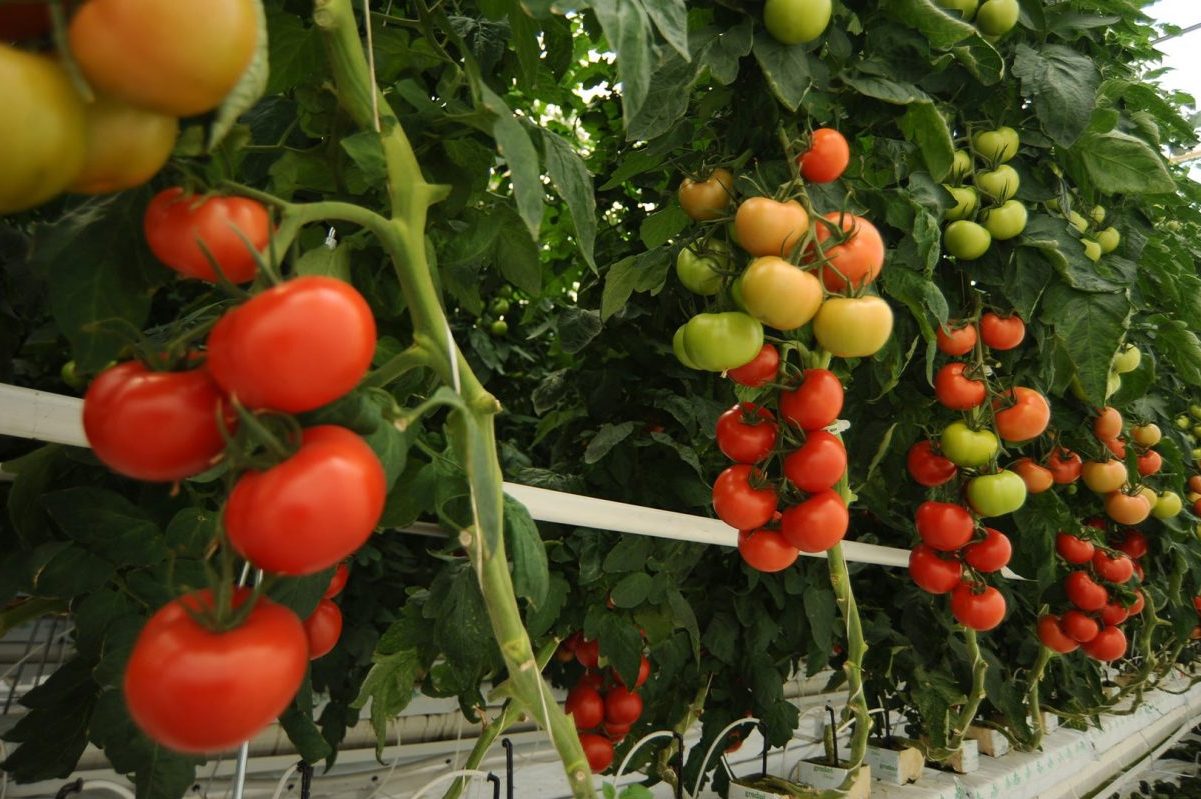
under the auspices of post-wwII agribusiness, the indeterminacy of nature’s flora is mechanized by the very principles that engender efficiency and reproducibility to the factory. the individual character of each product is turned into a form, as an ironic tribute to the triumph of equality and democracy, and all consumers are treated to uniformity and access. The soybean is patented to ensure its resistance to pesticides and decay, and the ripe red tomato is available year-round, country-wide. the vision of variety in any supermarket is, in fact, mostly corn and soy reconstituted in various molds. Ammonia baths are the last step for most grocery-ready chicken, chemical filler is injected into most grocery-sold ground beef to promote a particular aesthetic of shape and texture, and tomatoes are picked green and ripened by exposure to gas. amidst chemical warfare and modern manufacturing, food has become a “notional” version of itself!

producer – manufactured consent
major food companies extort and control their various producers: the agency of each producer is inevitably subsumed by company standards, patents, and loan interest. a farmer labors for and cow-tows to the man and enforces the standards that maintain his slavery. the film interviews several farmers, many on tenuous contracts with agribusiness giants and facing continual demands and reissued policies. specific practices and locations were off-limits to the camera per company policy. The film positions agribusiness much like a prison to a low-socioeconomic area: cloaked as a boom, the residents embrace what becomes the necessary evil to the community, and to thwart ruin many sell themselves to the gilded system. but this is a system in fracture. the extortion imposed on producers are such that many wish to but cannot break their contracts despite determining that the company line promotes unhygienic and untenable methods of production. and the organizations created to protect consumers from these ills are not sovereign enough to intervene; producer servitude, conglomerate hegemony, and outbreak continue as the food monopolies control policy as well as the means of production.

meta producer – manufactured choice
the mirage of consumer choice distracts from the hegemonic takeover of a handful of food companies who wield their power to maintain their seat at the top of the food chain. For example, MONSATO (creator of Agent Orange and DDT) asserts intellectual property rights over most existent soybeans grown today in america. These rights were legally codified by their prior company man, Clarence Thomas, who, as a supreme court judge, authored the opinion which condemned saving seeds as illegal. The corporate-political pipeline reigns supreme in this era of late capitalism; thus, the food market, as in many markets, is structured against the possibility of a radical, non-corporate consumer choice. All niche will be incorporated and ultimately prostituted to eradicate radicalism in the marketplace. In illustration, the green trend has seen major company buy-outs of traditionally eco-friendly standards (e.g., tom’s of maine is now owned by colgate). In a lengthy interview, the founder of Stoneyfield Farms, whose personal history includes various co-ops and communes, argues, “We’re never going to get there” by following local food principles. in his horrific appeal for how one must bend the means to justify an end, Mr. Stoneyfield exudes an arrogance of impact, without questioning why unbridled expansion (and support for labor plundering outlets like wal-mart) undercut sustainability. Mr. Stoneyfield might make a convincing argument for success, as each new truckload of organic goods seems to champion the repeated failure of basic consumer protection legislature (Kevin’s Law). Is one to glean that corporations, not citizen activists, can change the world? Food, inc. explores a cynicism that finds the consumer as powerful, but the citizen as not.

icons of an agrarian era long past, the happy farmer set in front of his red barn, touted on so many of our processed foods obscures the dystopic acreage of Centralized Animal Feeding Operations and defatted, hydrolyzed manipulated creations that bear strange resemblance to whole food. whether it is the transmission of ecoli 157H7 exacerbated by the procedures concocted to feed cows corn or the factorization of food production that welcomes poison in and shuts sunlight out, the frame of agribusiness has always been how and not why. the difference between real and non-real is perhaps only fallacy. but, as food, inc. demonstrates, agribusiness, while moving forward rather than stopping to listen, works its hardest to keep the food consumer under its spell.
-megan flocken

Leave a Reply