
ACTION: HR 2749 moves to Senate – S510

Posted by: Homegrown Co-op  :  Category: Uncategorized

(reposted from Farm to Consumer Legal Defense Fund – ftcldf.org)

Last week, the House of Representatives passed HR 2749, the Food Safety Modernization Act, and the next step in the process will be the Senate. Although it is not certain, the Senate will probably focus its food safety discussions on S. 510, sponsored by Senator Durbin of Illinois. S. 510 is different from HR 2749, but it contains many of the same problems (more below).

Congress is back home for the month of August, so this is a great time to set up an in-person meeting to discuss the food safety bills. Meeting with your legislators is one of the most effective things you can do to make your voice heard! We know that many of our members have never met with their Congressman or even thought about doing so. The prospect can be intimidating or stressful. Yet there’s no reason it should be. They represent you – it’s their job. Meeting with your legislators puts a face to an issue, making it very real and tangible for them. It also shows them how important the issue is to you.

If you call and are told that their schedules are already too full to allow a personal meeting, then go to one of the public events that your Senators will be attending! Ask their local office for the schedule of events that they will be attending in August and speak with them at those events. That allows you to educate members of the public at the same time that you educate your legislators.

====
Find Your Senators Contact:
Find out who your Senators are. You can look this up at www.senate.gov or call the Capitol Switchboard at 202-224-3121. (To find out who your Representatives are, go to www.congress.org)

====

REAL FOOD SAFETY – Talking Points

Food safety problems lie with the industrial food processors and food imports, not with local producers. FDA should not be given any additional regulatory power over the local food system than what the agency has at present.

� S.510 calls for federal regulation of how farmers grow and harvest product. Farmers selling food directly to local markets are inherently transparent and accountable to their customers, and there is no reason to impose these regulations on them. Based on FDA’s track record, it is likely that such rules will also discriminate against diversified sustainable farms that produce animals and crops in complementary systems.

� S.510 expands FDA’s powers over food processors, regardless of their size, scale, or distribution. FDA oversight of small, local food processors is overreaching and unnecessary. Small processors selling into local markets do not need federal oversight, unlike the large, industrial, multi-sourced supply chains that are the cause of most foodborne illnesses and food recalls.

� S.510 applies a complex Hazard Analysis and Critical Control Point (HACCP) system to even the smallest local processors, imposing onerous paperwork and record-keeping on these small businesses. Applying a HACCP system to local foods facilities processing for local markets, as well as farmers making value-added products, could undermine and extinguish these emerging small businesses attempting to bring healthy local foods to American consumers.

In fact, when HAACP was applied to the meat packing industry, it was instrumental in reducing the number of smaller regional and local meat packers, yet failed to increase the number of independent, objective inspectors in giant meat slaughtering and packing facilities.

� Bottom line: One size does not fit all when considering food safety bills! Local foods businesses are not the same as animal factories or mega-farms that sell products into industrial scale national and international markets, and should not be regulated the same way!

NO NO CHIPOTLE

Posted by: megan  :  Category: Uncategorized

Since AMERICAN RIGHTS AT WORK, a non-profit labor advocacy organization, first launched the Chipotle campaign, more than 10,000 activists have urged Chipotle to stand up for exploited Florida farmworkers. People around the country have been calling on Chipotle to live up to its “food with integrity” promise.

Can you support the efforts of these demonstrators by making a quick toll-free call to Chipotle’s corporate headquarters? Just follow these easy steps:

1. Call AMERICAN RIGHTS AT WORK, toll-free at 1-888-899-0017. This number will automatically connect to the Chipotle corporate office.

2. Tell the person who picks up that you want Chipotle to live up to its “food with integrity” promise by standing up for Florida farmworkers. You can also add:

* The Florida workers who pick Chipotle’s tomatoes have one of the worst jobs in America, with sub-poverty wages, back-breaking labor, and unimaginable exploitation.

* It’s time for Chipotle to live up to its “food with integrity” promise and join in a formal agreement with the Coalition of Immokalee Workers [pronounced i MOCK a lee] – a widely respected farmworker organization and a leader in the field of human rights.

* Partnering with them will ensure the workers who pick Chipotle’s tomatoes are treated fairly and paid a living wage.

Hoping for a bit of good publicity, Chipotle has been sponsoring screenings of Food, Inc., a new documentary about injustices in the food system.

It’s a good film — but Chipotle doesn’t seem to be getting the film’s message — they’ve refused to join in a formal agreement to build better working conditions for the Florida workers who pick their produce and face exploitation and poverty wages.

Chipotle can’t have it both ways. They can’t claim to stand for “food with integrity” while ignoring worker exploitation in their supply chain. We’re going to keep turning up the heat until Chipotle does the right thing and lives by their own “food with integrity” pledge. And to do that, we need YOUR help! Please, call 1-888-899-0017 right now!

http://www.americanrightsatwork.org/take-action/campaigns/call-chipotle-today-20090730-798-306-306.html

ACTION – HR 2749

Posted by: megan  :  Category: Uncategorized

New Food Bill Couches

Corporate Shelters in

“Safety”

Bill HR2749


Background Information – Bad bill: Food Safety Enhancement Act of 2009.

HR 2749 gives FDA tremendous power while significantly diminishing existing judicial restraints on actions taken by the agency.  The bill would impose a one-size-fits-all regulatory scheme on small farms and local artisanal producers; and it would disproportionately impact their operations for the worse. This bill has been passed in the House and has been referred to the Senate Committee on Health, Education, Labor, and Pensions. Please contact your Senator/ the Health Committee to ensure that their version has stronger language to protect small producers from a regressive fee structure and burdensome tracking requirements, and organic producers from conflict with National Organic Program regulations designed conserve wildlife habitat. Immediate action is necessary to stop this harmful legislation!

HR 2749 does not address underlying causes of food safety problems such as industrial agriculture practices and the consolidation of our food supply.  The industrial food system and food imports are badly in need of effective regulation, but the bill does not specifically direct regulation or resources to these areas.

To read a detailed account of the bill, go to: http://www.govtrack.us/congress/bill.xpd?bill=h111-2749

Alarming Provisions:

* HR 2749 would impose an annual registration fee of $500 on any “facility” that holds, processes, or manufactures food.  Although “farms” are exempt, the agency has defined “farm” narrowly.  And people making foods such as lacto-fermented vegetables, cheeses, or breads would be required to register and pay the fee, which could drive beginning and small producers out of business during difficult economic times.

* HR 2749 would empower FDA to regulate how crops are raised and harvested, placing the federal government onto the farm, dictating to our farmers.

* HR 2749 would give FDA the power to order a quarantine of a geographic area, including “prohibiting or restricting the movement of food or of any vehicle being used or that has been used to transport or hold such food within the geographic area.”  Under this provision, farmers markets and local food sources could be shut down, even if they are not the source of the contamination.  The agency can halt all movement of all food in a geographic area.

*  HR 2749 creates severe criminal and civil penalties, including prison terms of up to 10 years and/or fines of up to $100,000 for each violation for individuals.

Action to Take:
Contact your Senator now!  Ask to speak with the staffer who handles food issues.  Tell them you are opposed to the bill.  Some points to make in telling your Senator why you oppose HR 2749/ the Food Safety Enhancement Act include:

1.  The bill imposes burdensome requirements while not specifically targeting the industrial food system and food imports, where the real food safety problems lie.

2.  Small farms and local food processors are part of the solution to food safety; lessening the regulatory burden on them will improve food safety.

3.  The bill gives FDA much more power than it has had in the past while making the agency less accountable for its actions.

HR 2749 needs to be defeated!!  Please take action NOW.

* from FTDLCF.org

Track Bill Status

The status of the bill can be tracked on the internet by entering “HR 2749″ in the Search field  http://www.thomas.gov/ ; be sure to select “Bill Number” instead of “Word/Phrase”.

Click here to contact members of the House Committee on Energy and Commerce. Each member has an electronic mail webpage as well as a personal homepage.

Click here to contact other Members of Congress; search by state to locate your Representative.

To stay informed about this and other issues that Directly affects farmers and consumers by signing up for the Farm-to-Consumer action newsletter here.


Grow – Green Sky Growers

Posted by: megan  :  Category: Uncategorized

Producer of the Month: Green Sky Growers
 
Green Sky Growers, LLC.
146 West Plant Street, Suite 331 • Winter Garden, FL 34787

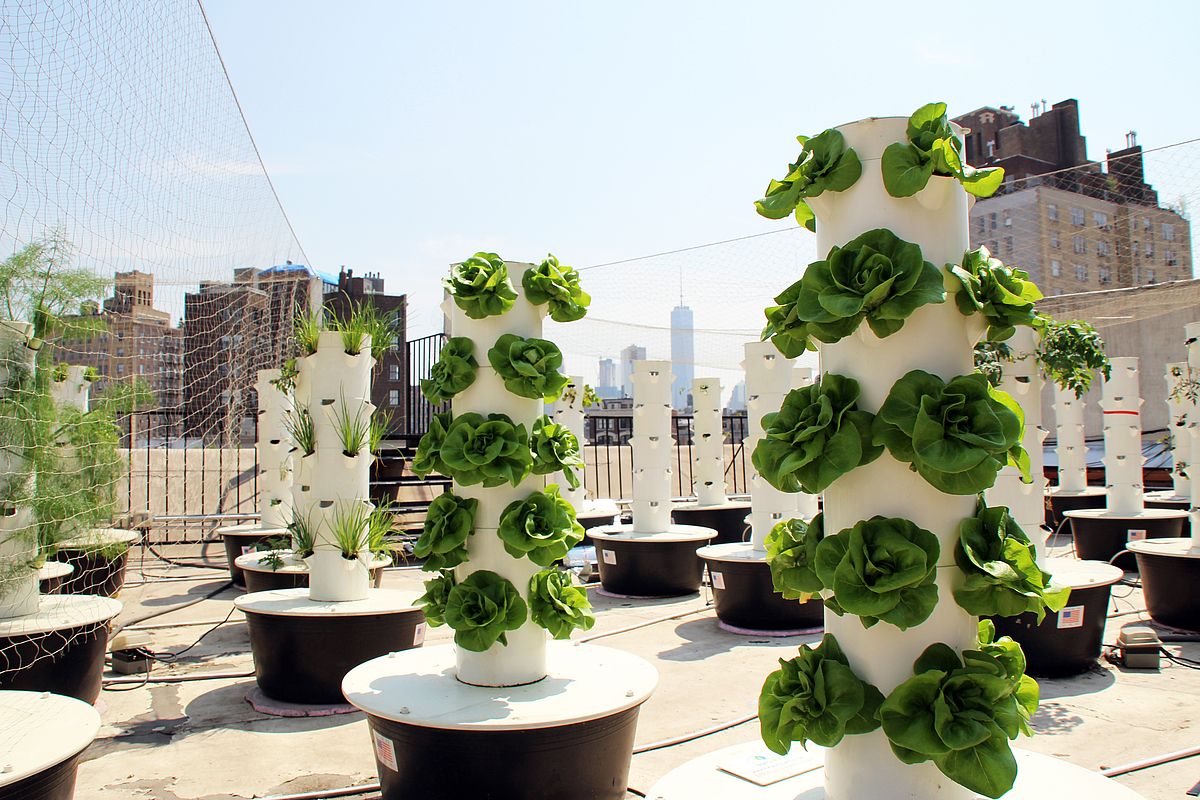
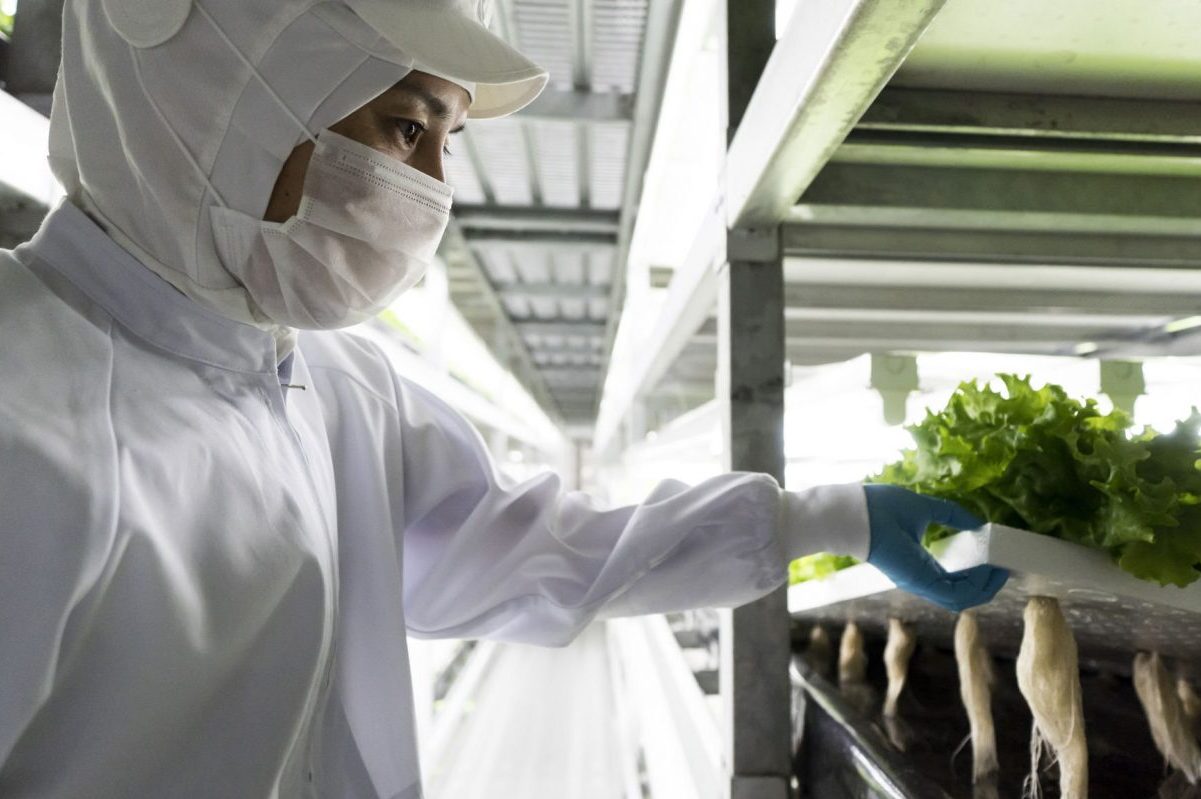
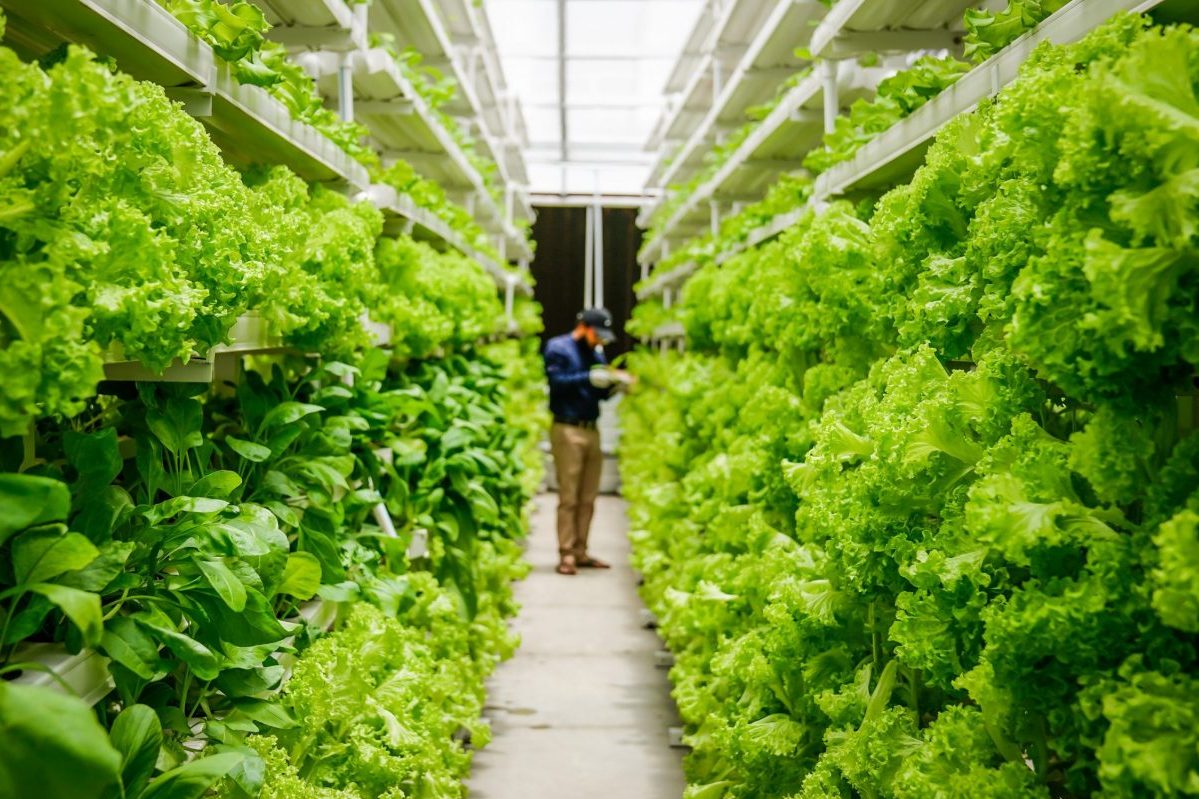
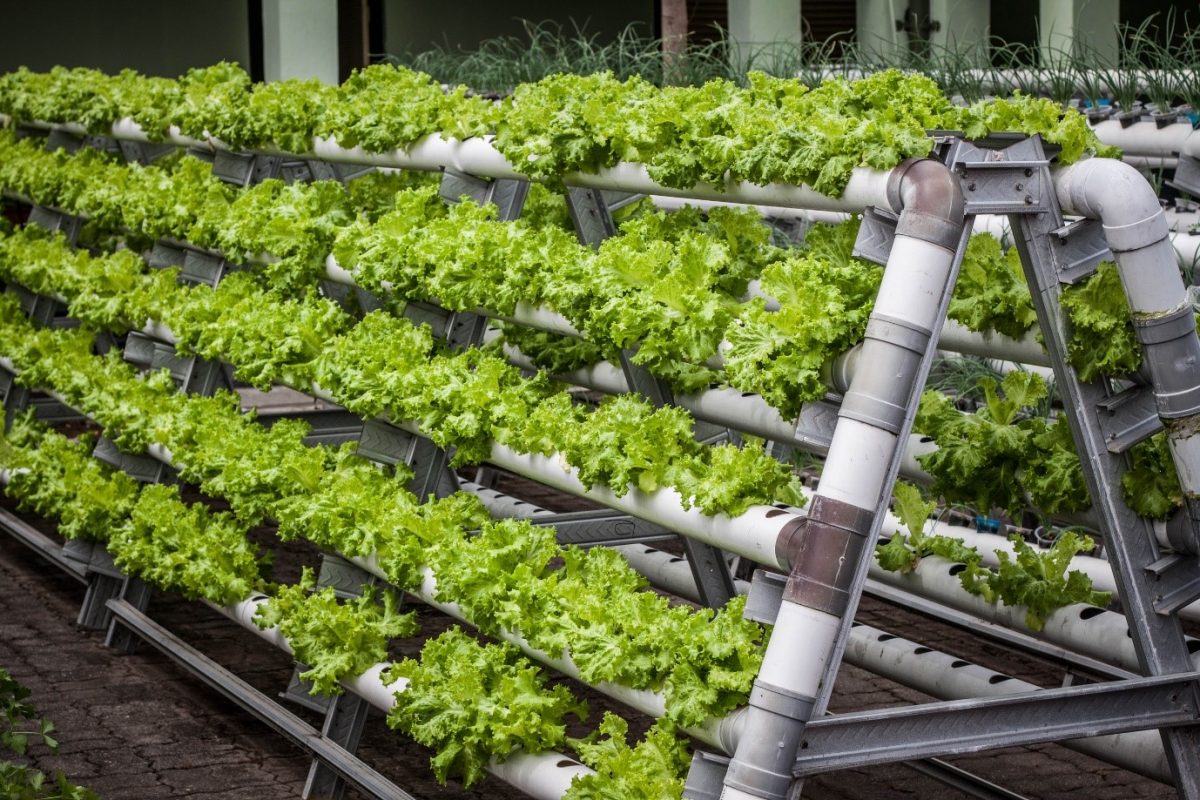
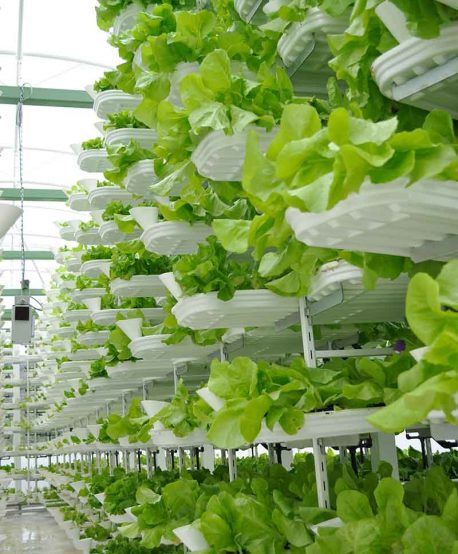
Green Sky’s mission is spectacular: to produce healthy plants,  produce healthy food for people, and produce food in a “green” or sustainable growing system.

    * Their rooftop farm will produce tons of fresh vegetables and fish on an annual basis without the use of harmful pesticides.
    * The use of environmentally friendly growing practices will include the harvesting of rainwater.
    * All the growing systems continuously recycle 100% of the nutrients and water.
    
Green Sky’s concern about developing a “green” or sustainable technology contrasts to the majority of food grown for the US market, which is not produced in a green or sustainable way.  Today’s food travels great distances using gas and electricity.  It is stored in a chilled environment for a period of time using more energy.  It requires layers of packaging to end up in the consumer’s hands.  It is sprayed with fungicides, pesticides, and herbicides, which require more energy and pollutes the planet.  Water practices for organic or conventional agriculture, is extremely wasteful and a huge concern with looming water shortages worldwide.

Green Sky seeks to reduce the carbon foot print with their growing system that uses a closed system technology to recycle 100% of the nutrients and water.  This means the plants only use 5%–10% of the nutrients and water that is commonly used in conventional and organic farming. 

Using a combination of hanging towers, conveyor systems, and tilapia beds, they revolutionize hydroponic growing to recycle waste, reuse nutrients, and reduce waste. And their Bibb lettuce is fantastic!

IMPACT – Food, Inc.

Posted by: megan  :  Category: Uncategorized

“Do you know where your food comes from?” adorns our very own propaganda because it is a question that galvanizes many to join the local food movement. Food, Inc. shares in posing this question and portrays the insidious character of america’s food industry, from the monolithically engineered soybean, to the farmers who are blackmailed by food multinationals into practicing despicably unethical and catastrophically unhygienic production methods, to the illusion of variety peddled to the consumer by the monopolistic food manufacturers who bracket the market. the public suffers delusions of “natural” and “healthy,” fables articulated by the food incorporates, in spite of rampant biological manipulation and poisonous interference. bummer? well, the film has many cutesy computer-generated text dancers to usher in each chapter. and, if you stay into the credits, you’re presented with redeemable suggestions for resistance.

product – manufactured content
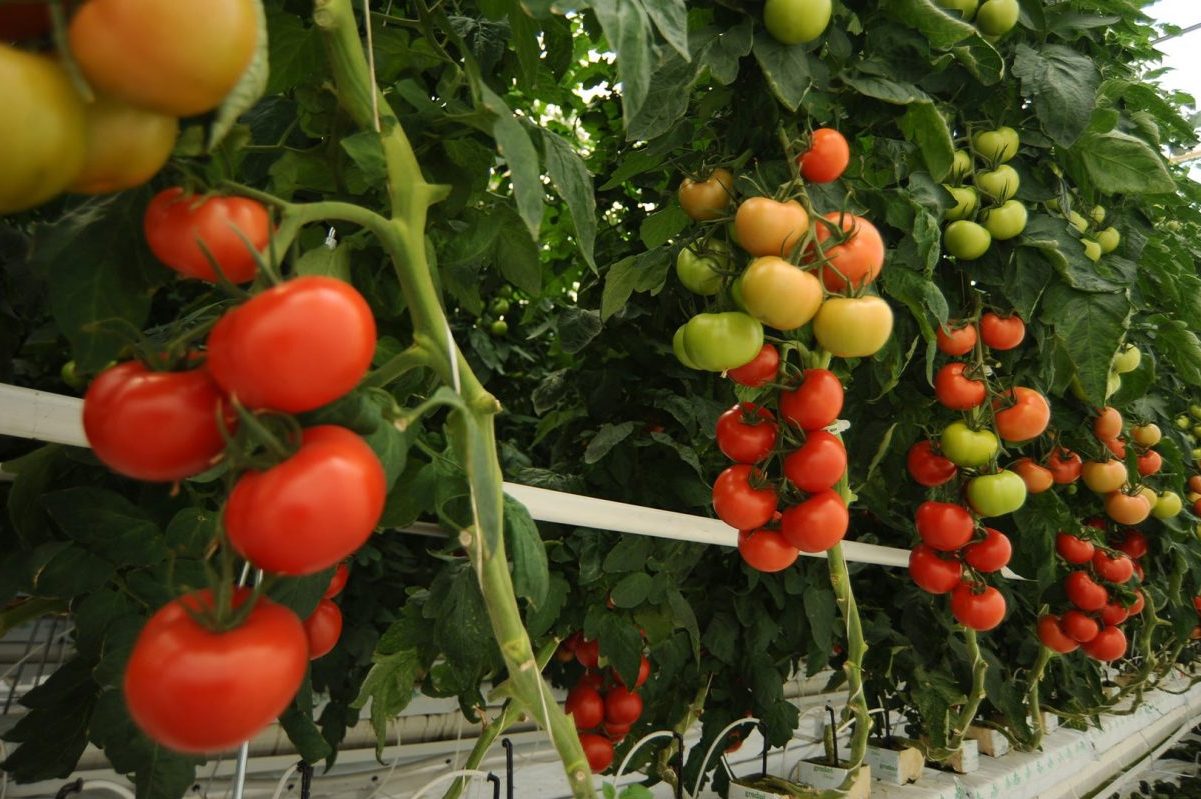
under the auspices of post-wwII agribusiness, the indeterminacy of nature’s flora is mechanized by the very principles that engender efficiency and reproducibility to the factory. the individual character of each product is turned into a form, as an ironic tribute to the triumph of equality and democracy, and all consumers are treated to uniformity and access. The soybean is patented to ensure its resistance to pesticides and decay, and the ripe red tomato is available year-round, country-wide. the vision of variety in any supermarket is, in fact, mostly corn and soy reconstituted in various molds. Ammonia baths are the last step for most grocery-ready chicken, chemical filler is injected into most grocery-sold ground beef to promote a particular aesthetic of shape and texture, and tomatoes are picked green and ripened by exposure to gas. amidst chemical warfare and modern manufacturing, food has become a “notional” version of itself!

producer – manufactured consent
major food companies extort and control their various producers: the agency of each producer is inevitably subsumed by company standards, patents, and loan interest. a farmer labors for and cow-tows to the man and enforces the standards that maintain his slavery. the film interviews several farmers, many on tenuous contracts with agribusiness giants and facing continual demands and reissued policies. specific practices and locations were off-limits to the camera per company policy. The film positions agribusiness much like a prison to a low-socioeconomic area: cloaked as a boom, the residents embrace what becomes the necessary evil to the community, and to thwart ruin many sell themselves to the gilded system. but this is a system in fracture. the extortion imposed on producers are such that many wish to but cannot break their contracts despite determining that the company line promotes unhygienic and untenable methods of production. and the organizations created to protect consumers from these ills are not sovereign enough to intervene; producer servitude, conglomerate hegemony, and outbreak continue as the food monopolies control policy as well as the means of production.

meta producer – manufactured choice
the mirage of consumer choice distracts from the hegemonic takeover of a handful of food companies who wield their power to maintain their seat at the top of the food chain. For example, MONSATO (creator of Agent Orange and DDT) asserts intellectual property rights over most existent soybeans grown today in america. These rights were legally codified by their prior company man, Clarence Thomas, who, as a supreme court judge, authored the opinion which condemned saving seeds as illegal. The corporate-political pipeline reigns supreme in this era of late capitalism; thus, the food market, as in many markets, is structured against the possibility of a radical, non-corporate consumer choice. All niche will be incorporated and ultimately prostituted to eradicate radicalism in the marketplace. In illustration, the green trend has seen major company buy-outs of traditionally eco-friendly standards (e.g., tom’s of maine is now owned by colgate). In a lengthy interview, the founder of Stoneyfield Farms, whose personal history includes various co-ops and communes, argues, “We’re never going to get there” by following local food principles. in his horrific appeal for how one must bend the means to justify an end, Mr. Stoneyfield exudes an arrogance of impact, without questioning why unbridled expansion (and support for labor plundering outlets like wal-mart) undercut sustainability. Mr. Stoneyfield might make a convincing argument for success, as each new truckload of organic goods seems to champion the repeated failure of basic consumer protection legislature (Kevin’s Law). Is one to glean that corporations, not citizen activists, can change the world? Food, inc. explores a cynicism that finds the consumer as powerful, but the citizen as not.

icons of an agrarian era long past, the happy farmer set in front of his red barn, touted on so many of our processed foods obscures the dystopic acreage of Centralized Animal Feeding Operations and defatted, hydrolyzed manipulated creations that bear strange resemblance to whole food. whether it is the transmission of ecoli 157H7 exacerbated by the procedures concocted to feed cows corn or the factorization of food production that welcomes poison in and shuts sunlight out, the frame of agribusiness has always been how and not why. the difference between real and non-real is perhaps only fallacy. but, as food, inc. demonstrates, agribusiness, while moving forward rather than stopping to listen, works its hardest to keep the food consumer under its spell.
-megan flocken